


Why Your First Cobra Cage May Not Fit Perfectly
Buying your first Cobra-style chastity cage can feel like ordering a simple size. You measure, choose a ring, select a cage length, and expect the device to fit immediately. In practice, first-time fit is often a process rather than a single correct guess.
The body changes with temperature, movement, stress, and time of day. Product measurements are not always taken in the same way. Ring shape, cage angle, material thickness, and the gap between the ring and cage can all change the experience. A first cage that is not perfect does not necessarily mean the entire design is wrong. It may reveal which part of the fit needs adjustment.
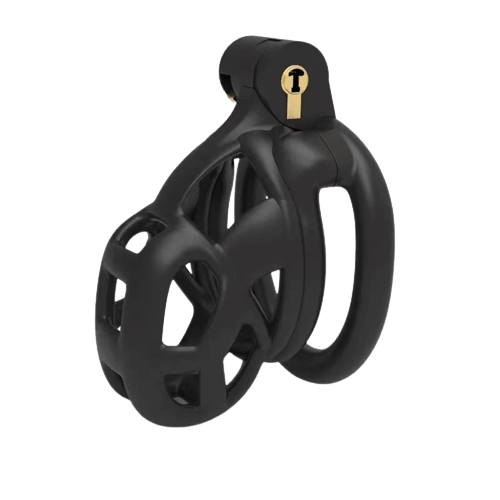
Measurements Are a Starting Point
Most buyers begin with relaxed length and base-ring diameter. Those are the right measurements to check, but they cannot predict every detail of the fit.
A tape measurement does not show how a curved ring will sit, how the cage angle will follow the body, or how much space the connector creates. Even two people with similar measurements may prefer different ring shapes or gaps.
Use measurements to narrow the choices. Then use short test sessions to understand the device.
The existing chastity cage size guide explains the basic dimensions to compare before ordering.
The First Base Ring Is Often Not the Final One
A base ring should support the device without causing sharp pressure, numbness, or circulation problems. Beginners often choose a ring that is too large because it feels easier to put on. Once the cage is attached, that larger ring may allow the device to slide, rotate, or pull forward.
The opposite mistake is choosing the smallest ring because it seems more secure. A ring that feels acceptable for five minutes may become painful after walking, sitting, or normal changes in the body.
A kit with several rings can make this learning process easier. The Tight Cobra Chastity Device Kit includes multiple base-ring sizes, allowing the wearer to compare support rather than forcing one option to work.
Cage Length Can Be Misleading
A cage can feel too long even when the listed number appears correct. Sometimes the published measurement is the tube length; sometimes it is the total external length. Internal usable space may be shorter because of the front shape or wall thickness.
If the cage has a large amount of empty space, the wearer may move inside it and the device may project farther under clothing. If it is too short, the front can create constant pressure and make skin positioning difficult.
Do not assume the shortest available size will solve every issue. A more moderate cage can be easier for a beginner to evaluate.
The Ring-to-Cage Gap Changes Everything
The gap is the space between the base ring and the back of the cage. It affects how the device holds the body and how much movement is possible.
A gap that is too large may make the cage feel loose even when the ring diameter is correct. A gap that is too small can pinch skin or create pressure at the underside. Some products have a fixed gap, while others change slightly because of the connector or ring shape.
This is one reason a cage may not fit like another product with the same length and ring size.
Material Changes the Feeling
Resin and 3D-printed designs are often light, so they place less downward pull on the ring. Stainless steel is rigid and heavier, which can make a similar shape feel more substantial.
A beginner may think the ring is wrong when the real issue is the weight of the cage. Another wearer may mistake the flexibility of a softer component for looseness. Compare the whole structure, not just the dimensions.
For an overview of lightweight options, browse the 3D-printed cage collection. For a more substantial feel, compare the metal Cobra collection.
Common First-Fit Problems
The cage slides forward: The ring may be too large, the gap may be too wide, or the cage may contain too much empty space.
The ring pinches while sitting: The ring may be too small, the cage angle may be pulling it upward, or clothing may be compressing the device.
The cage rotates: Check the connector, ring shape, underwear support, and whether the cage is too large for the relaxed fit.
The front feels crowded: The cage may be too short or narrow, or the skin may need to be positioned more carefully before locking.
The device feels fine at first and painful later: Temperature, movement, swelling, and prolonged pressure can expose a fit problem that is not obvious during the first few minutes.
Adjust One Variable at a Time
When troubleshooting, change only one thing per test. Try a different ring while keeping the same cage. Then compare a nearby cage length while returning to the better ring. This makes it easier to understand what actually improved the fit.
Keep test sessions short. Walk, sit, and check the skin. Remove the cage immediately if there is numbness, unusual swelling, coldness, color change, or persistent pain.
Final Thoughts
Your first Cobra cage may not fit perfectly because chastity sizing is a three-dimensional relationship between the body, ring, cage, connector, gap, and material. A chart can guide you, but real-life testing completes the process.
Choose a moderate starting point, use multiple ring options when available, and avoid treating discomfort as something you must “get used to.” A well-chosen cage should feel controlled and present without creating sharp or dangerous pressure.
FAQ
How many ring sizes should I test? Test the nearby sizes included with your kit, one at a time, during short sessions.
Should a new cage feel tight immediately? It should feel supported, not painfully compressed. Sharp pressure, numbness, swelling, or color change are reasons to remove it.
What if every ring feels wrong? The issue may be cage length, gap, ring shape, angle, or material rather than diameter alone.


